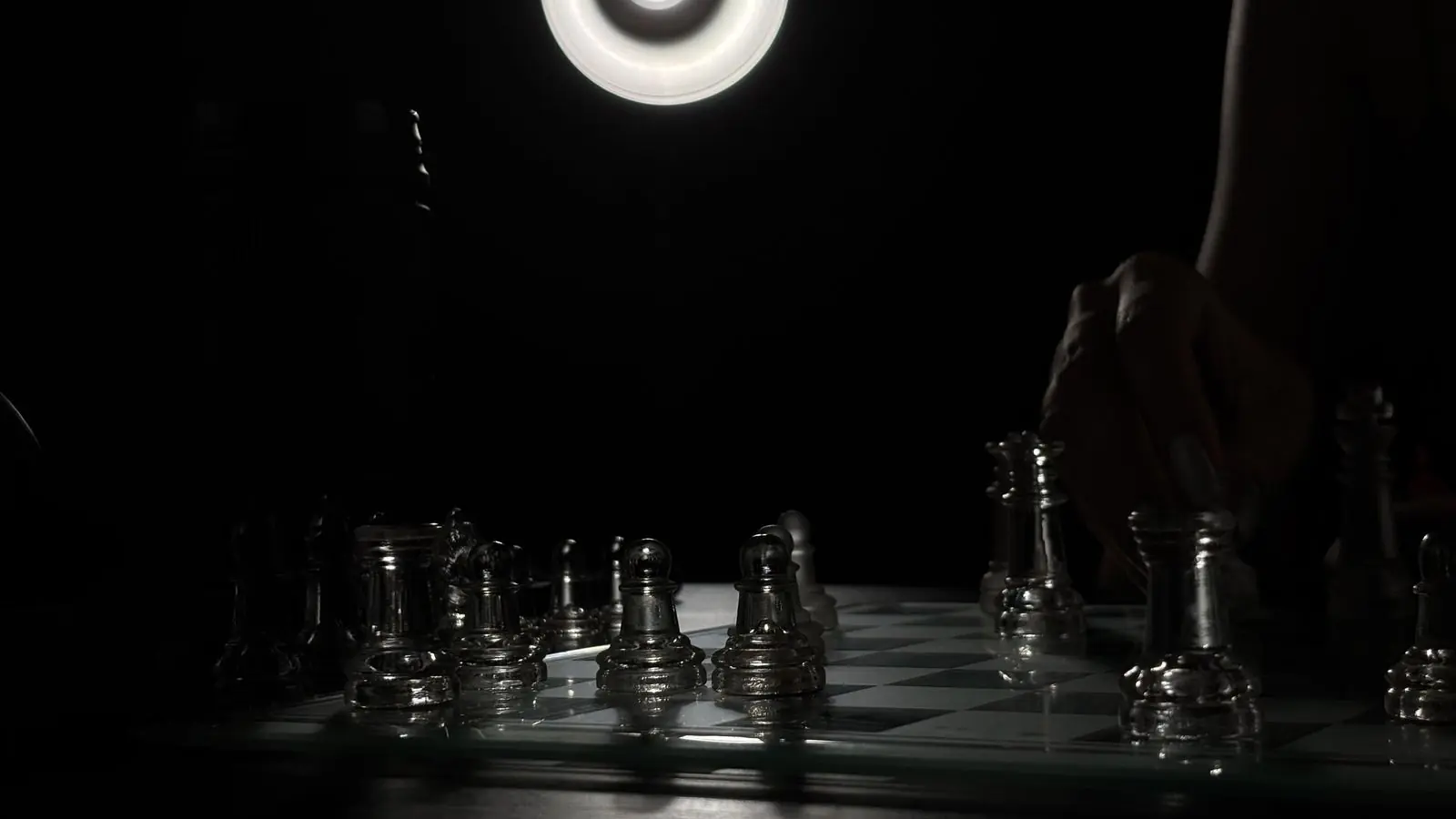
Camera and lighting setup
Every angle earns a stated job, and one of them exists because the piece deserves it.
The short version
What you get. A coordinated camera and lighting plan, with footage prepared for the edit and room for expressive choices.
Is this for you? For multi-camera shoots, changing light or a setup that needs to support reframing and grading. A simple locked shot needs less planning. Where the footage is already shot, colour grading works with what exists; this sets up the next recording.
What leaves your plate. The purpose of each angle, capture settings, reference camera and lighting priorities, agreed with your crew.
Start with the Free Audit.
Every angle with a job
A piano lesson, angle by angle
The piano room, worked out in full: an overhead so a viewer can see exactly which black key a diminished chord lands on, a front angle for the teaching and the eye contact, and a side angle whose job is the artistic choice. Three positions, three stated reasons, and the third reason is allowed to be that the piece deserves it.
The capture format is asked for upstream
A log picture profile with the bit depth to grade, rather than a locked-in standard look, so the grade has somewhere to go and a colour decision is still available weeks later. The overhead shot recorded higher than the delivery size, so fingers can be tracked and punched into without going soft; where the delivery is itself 4K, the detail angle has to go higher still, or the punch-in is planned at the lens, because room to crop is bought at the camera or not at all. Both of those are post-production decisions, taken before the shoot, by the people who will have to work with the result.
Daylight gets help before it needs rescuing
Natural light changes through the day. We plan how to control or supplement it so exposure and colour remain easier to match across the recording.
The light has a subject, and it is named
On a piano angle the keys are lit deliberately, because the keys are the reason anybody is watching that shot. One camera is designated the reference and every other angle is matched to it, so a three-camera lesson feels like one room. Where that reference sits is a colour decision made with a light stand, hours before anybody reaches for a slider.
The piano-room plan
| Overhead | hands and keys; record above delivery resolution where reframing headroom is needed |
|---|---|
| Front | talking head, the teaching, the eye contact |
| Side | the artistic choice, and it is allowed to be one |
| Capture format | a profile and bit depth suited to the camera, exposure and planned grade |
| Reference | one reference angle; other angles are matched to it |
Decisions taken before anybody presses record
Cameras
We choose resolution, recording format, frame rate and camera positions around what the edit needs. The angle plan considers eyelines, subject position and useful changes in shot size.
Light
Enough control that a scene holds its exposure and colour for as long as it takes to record, with the subject separated from the background, which is a different thing from being visible against it. Continuity matters more than sophistication here: one modest setup that stays identical across a series beats a beautiful one that changes between videos.
How this arrives when the shoot is not ours
Remote setup sessions by video call, a written checklist for the crew, and a review of the first files that come back. Recommendations get confirmed against real footage before anybody assumes they worked, and where something is still wrong it is said plainly while there is another shoot day to fix it in.
At the bench
The work, demonstrated
Try a decision from the craft: drag, tap or toggle, then read the trade-off.
These are illustrative models; no partner’s results are shown.
More demonstrations at the bench →An angle that cannot say what it is for is a spare camera, and still costs setup, storage and sync time.
What changes for you
The crew knows what each angle needs to capture, and the editor knows what to expect. Checking the setup early reduces avoidable gaps and mismatches.
Related: Shoot planning · Colour grading · Tracking and punch-ins · Multi-camera editing
Send recent videos. We will identify changes to the recording setup that could improve the next shoot.
Request your Free Audit.
Three fields, and a written reading back.
Your audit usually arrives within three working days. We use your details only to reply to your enquiry.
What you will get
What is working, what could improve and whether we can help.
Two or three priorities, with the reason for each.
A recommended next step, even if that step is not us.
There is no obligation to continue. We only arrange a call if you ask for one.
The work, written up
The case studies keep their dates, sources and limits visible.
See the casework →